What Makes a Building Truly Sustainable in West Africa?
Beyond solar panels — how locally sourced materials, smart space planning, low-maintenance finishes, and climate-conscious design deliver real long-term value in the Nigerian context.
Sustainability in architecture is too often reduced to a checklist of technologies — solar panels, rainwater harvesting tanks, LED lighting. These are worthwhile interventions, but they represent the visible surface of a much deeper discipline. True sustainable design in the West African context begins not with products but with principles: how do we design buildings that use less energy, require less maintenance, last longer, and serve their communities better over their entire lifespan?
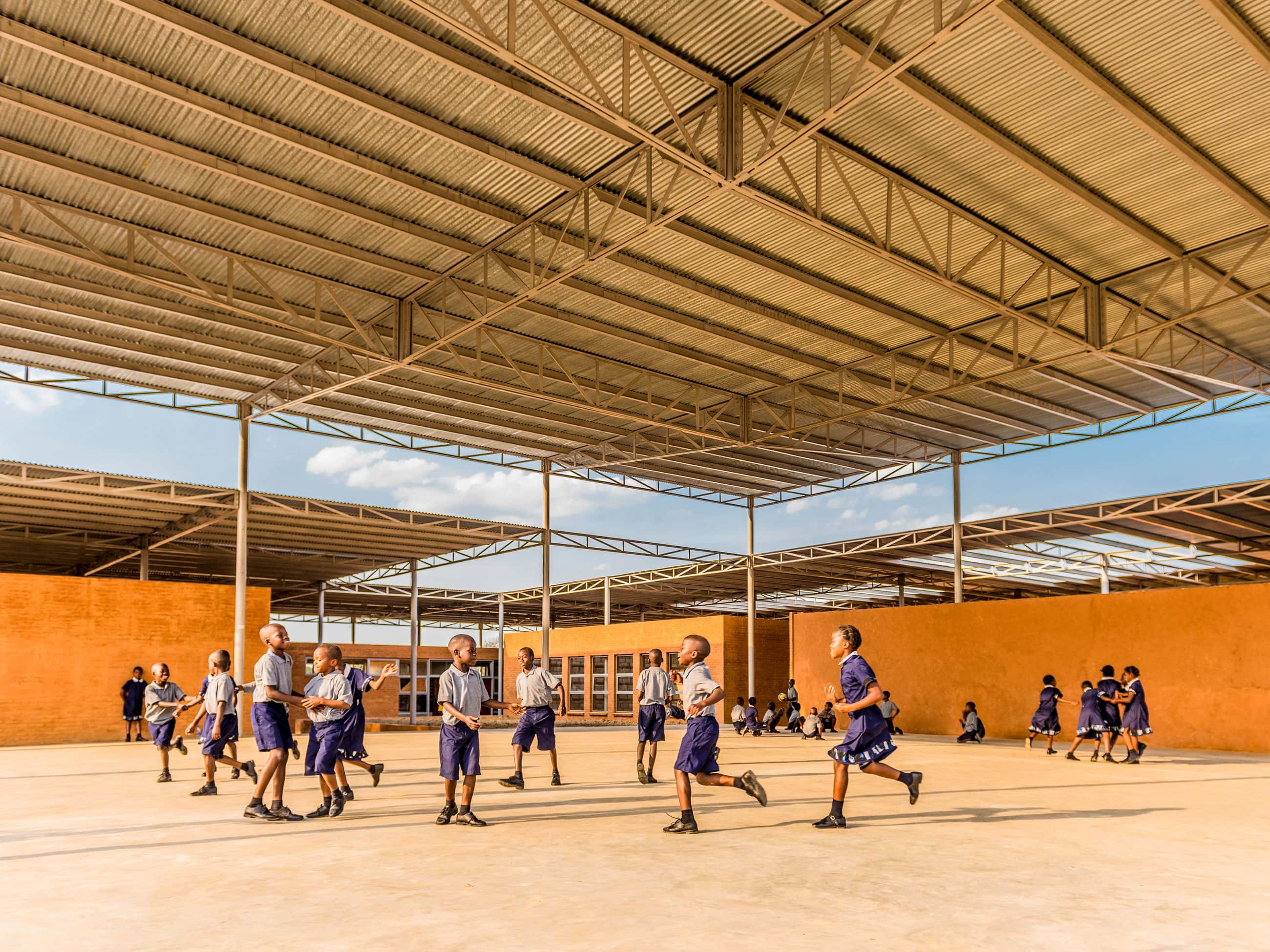
The most powerful sustainability tool available to architects in Nigeria costs nothing: orientation. A building positioned to minimise east and west solar exposure, maximise natural ventilation, and allow daylight to penetrate deep into floor plates will perform better thermally than any quantity of retrofitted technology. This is the logic of the traditional Nigerian compound — a lesson that much contemporary architecture has abandoned in favour of glass curtain walls that perform spectacularly on a rendering and catastrophically in the heat.
Material selection is the second pillar. Locally sourced materials — stone, laterite, clay, timber from responsibly managed forests, or recycled steel and concrete — carry lower embodied carbon than imported equivalents, support local industries, and often perform better in local climatic conditions. They also connect buildings to their landscape and culture in ways that imported materials cannot. At KPDC, we actively pursue locally sourced specifications wherever project requirements allow.
Durability is sustainability's most underrated dimension. A building that requires significant maintenance within a decade, or that needs to be demolished and replaced within a generation, is not sustainable regardless of how many renewable energy systems it contains. Robust construction, quality materials, proper detailing of weather exclusion, and adequate provision for maintenance access all contribute to a building's ability to serve its purpose over the long term.
Sustainability must also be social. Buildings that serve the communities around them — that provide employment during construction, that create public realm improvements, that are accessible to people of different abilities and incomes — are more sustainable than technically efficient structures that ignore their context. This is the integration of environmental, economic, and social responsibility that KPDC brings to every project we undertake.